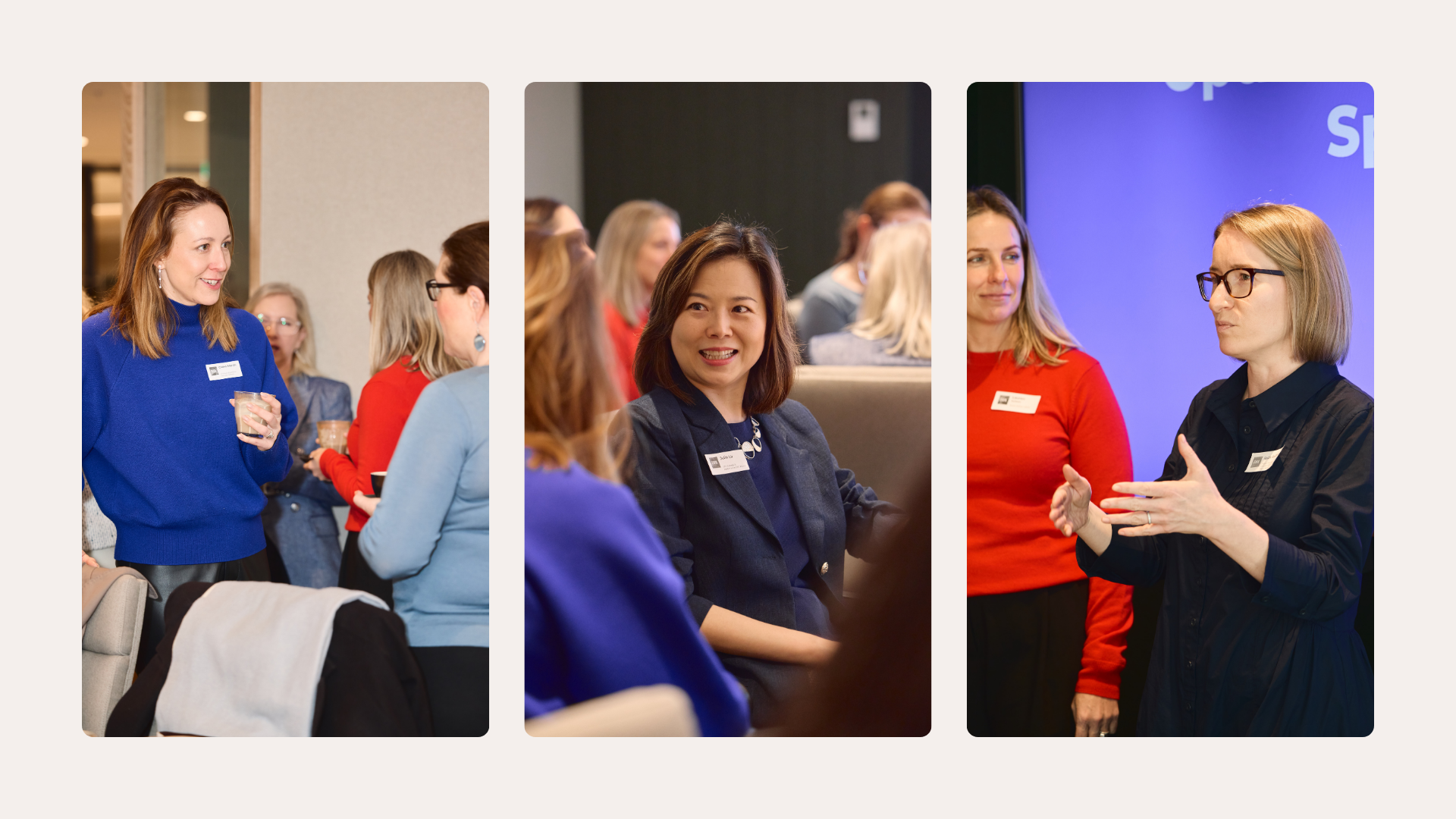
EVEN’s Women, Work & AI Executive Roundtable in Melbourne
EVEN Insights | Women, Work & AI Initiative | Melbourne Executive Roundtable insights
EVEN’s Women, Work & AI initiative
EVEN is currently undertaking a new national initiative exploring the relationship between women, work, wellbeing and artificial intelligence.
In just over three years, we’ve watched conversations about AI move rapidly from experimentation to implementation. Decisions are being made about which tasks to automate, which capabilities to reward, how to measure productivity, where to invest in learning, and which roles will grow or disappear. These choices may appear operational, but they are also choices about inclusion, careers and wellbeing.
EVEN's Women, Work & AI initiative brings together original survey data, expert insights, events and executive discussions to produce practical insights for women and organisations.
This initiative moves the conversation into questions that are not being answered yet. We’re asking: Is AI reducing women’s workload, or increasing expectations? Is it helping women progress, or creating new career barriers? Is it giving women time back, or is that time immediately filled with more work? And as AI changes what work looks like, are women thriving, or becoming more depleted?
Melbourne Executive Roundtable
In September 2026 EVEN brought together future of work and AI leaders to explore these questions, and as always, generate actions that provide equity for women’s careers and lives.
Experts represented organisations responsible for employing tens of thousands of people across Australia, including leaders from major national and global companies in infrastructure, technology, financial services and energy and utilities.
Four Lines of Inquiry
The generative discussion focused on four Lines of Inquiry:
AI reallocating economic opportunity
AI redefining performance and productivity
AI redesigning jobs and career pathways
AI, unpaid labour and gender dynamics at home
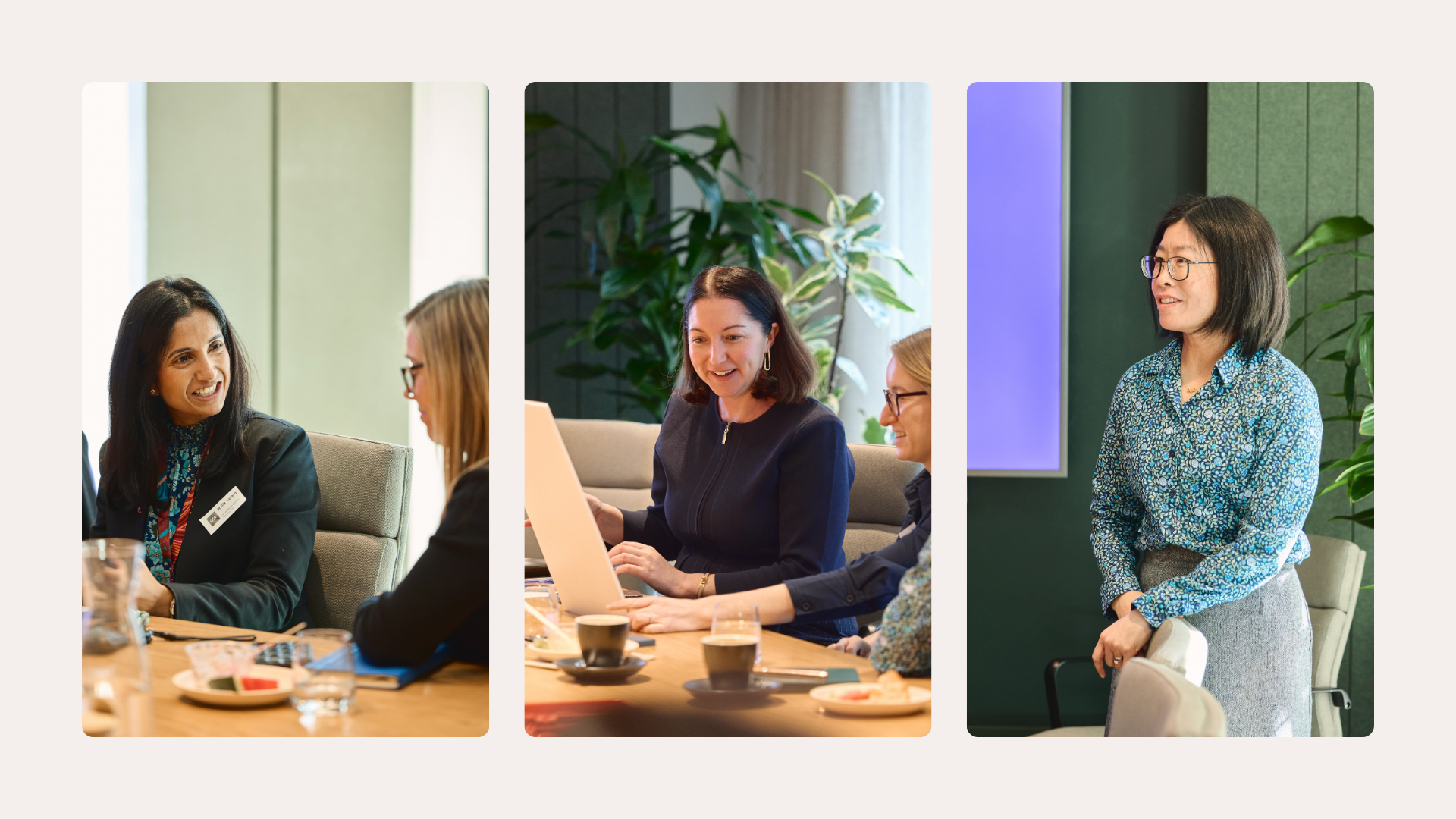
Line of Inquiry 1
AI reallocating economic opportunity
Jobs and Skills Australia found women face greater exposure to both automation and augmentation because of the occupations in which women are concentrated. At the same time, the emerging AI economy carries a sizeable pay premium: LinkedIn data shows a typical US AI job posting at US$177,000, compared with US$80,000 for a non-AI role. Yet women accounted for only 26% of US AI hires in 2025, and hold only 13% of C-suite AI leadership roles at AI companies across 27 countries.
In this new AI era, who gains the income, visibility, credibility and leadership capital being created around it?
What the experts offered:
Treat AI as capability across the workforce, rather than a gated tech discipline
There was the challenge that this change shouldn’t remain a conversation about “AI roles” - we made that mistake with “tech roles”. Increasingly, every role will have an AI component. There's an opportunity to spread influence more widely, but only if organisations avoid making technical credentials or existing tech networks the gatekeeper.
Put the people affected by AI, i.e. everyone, into the design room
Refuse to run design or work design conversations with tech teams alone. Bring frontline and non-tech employees into the room also exposes the workarounds, bottlenecks and role nuances senior leaders often cannot see. This is where the real “aha” moments happen on what needs to be the better change.
Build paid pathways into new work rather than expecting people to retrain around the edges of their job or caring responsibilities
REA Group’s Springboard to Tech program was a strong example. Across 10 cohorts over nine years, it has targeted women changing careers or returning after time out for caring. Participants are hired permanently, paid their full salary during intensive training and guaranteed a role afterwards. Women who entered through the program have since progressed into senior engineering roles.
Use internal gigs and cross-functional AI projects to create visibility and mobility
The group discussed growing appetite for project-based work inside large organisations. AI working groups, experiments and case studies give people somewhere to demonstrate capability outside their immediate hierarchy, especially where stretch work and strategy conversations keep circulating through the same small group.
New career forms cannot be automatically viewed as a greater choice
Entrepreneurial paths, portfolio careers and internal gigs may genuinely appeal to people seeking autonomy and faster growth. But is this a “constrained choice”? Non-typical corporate paths can hold different meanings, depending on whether it is freely chosen or when opportunities inside the organisation have narrowed.
Download full insight paper
Share your details below to download the full Melbourne Executive Roundtable paper, including all strategies for the four Lines of Inquiry for EVEN’s Women, Work & AI Initiative